
Arabian horses Breed Profile
Origins: The Arab horse originates from the desert lands of Asia and the most famous are the horses of the Bedouin Arabs, known as the Original or Elite Arab. Through selective breeding the Bedouins developed an Arab horse which was tough and yet beautiful. It was these Arab horses that were used as a cavalry horse by the Moslems and taken to North Africa and into Spain and France. Many Arab horses were left behind when the Moslems left and were left to breed with local horses creating such breeds as the Andalusian.
Characteristics: Small head with concave profile, large eyes and small muzzle, arched neck, sloping shoulder, strong level back, strong hindquarters, strong legs. Tail carried high, fast and free action, plenty of stamina.
Height: 14.1 to 15 hands
Color: Bay or chestnut but gray is also seen
Personality: Brave, spirited and intelligent

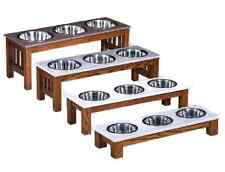
TRIPLE DISH DOG FEEDER - LUXURY WOOD & CORIAN TOP - Handmade Elevated Oak Stand
$349.97
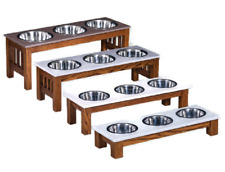
TRIPLE DISH CRAFTSMAN DOG FEEDER - LUXURY WOOD CORIAN TOP - Oak Pet Stand Bowls
$349.97
TRIPLE Dish MODERN ELEVATED DOG FEEDER - Brown MAPLE Wood CORIAN Top and Bowls
$349.97
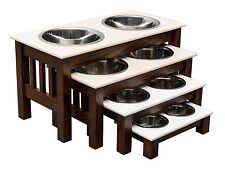
DOUBLE DISH DOG FEEDER - LUXURY WOOD & CORIAN TOP - Handmade Elevated Oak Stand
$256.97
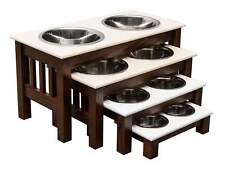
DOUBLE DISH CRAFTSMAN ELEVATED DOG FEEDER - OAK WOOD with CORIAN TOP and BOWLS
$256.97
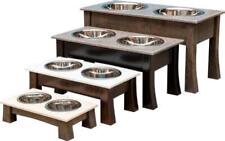
DOUBLE Dish MODERN ELEVATED DOG FEEDER - Brown MAPLE Wood CORIAN Top and Bowls
$256.97
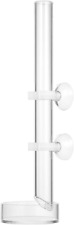
Shrimp Feeding Tube Shrimp Feeding Tube with Shrimp Feeding Dish, Clear Shrimp F
$19.99

Cute Luxury Pet Food Bowl Feeder Dish for Dogs&Cats Pink&Brown Feed Me & Woof
$199.90

Pigeon Feeder Bird Feed Cup Cage Food Dish Cup for Bird Pigeon Parrot Rabbit
$199.89
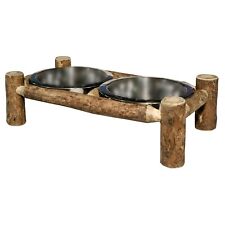
Rustic Dog Feeder Log Cabin Style for Larger Dogs Pet Dish Set Amish Made
$187.00