
Preventing Mud Fever in Horses

At the barn where I work, my boss always insists I wash the horses legs if they have been out in the mud to prevent mud fever. At the barn where I worked before this one, we always towel dried and then brushed the mud off the legs when it was dry. At this barn we never had one case of mud fever, but at my present barn we have had several. I know that the bacteria which causes this lives in the moisture and I tried to explain this to my boss. I am just wondering what you would recommend.

Mud Fever is most common during the wetter winter months, when infection by the Dermatophilus congolensis bacteria can cause a form of dermatitis of the heel and fetlock, causing inflammation of the skin and leading to swelling, weeping, cracking of skin, hair loss and scabbing. Mud Fever can affect any horse, but is more prevalent in horses with longer hair around the fetlock.
Horses which are prone to Mud Fever should be kept out of the mud and rain as much as is possible, but if this is unavoidable you can take steps to reduce infection after exposure. In my opinion drying the legs thoroughly and brushing the mud out is the best way to prevent infection. If you must wash the legs after turn out, make sure the legs are thoroughly dried afterwards. Also make sure that your horse’s bedding is dry and try to keep the horses stabled overnight to ensure that the legs can dry out thoroughly between exposures. Applying a cream before turning the horses out can also help create a barrier to infection.

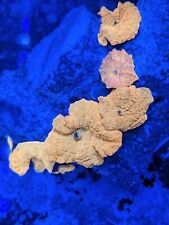
Electus Jawbreaker Discosoma Mushroom Colony 9 POLYPS - WYSIWYG -LIVE CORAL
$1000.00
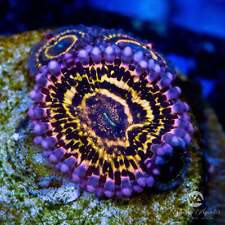
Stratosphere Zoa Zoanthid - Live Coral Frag
$632.99
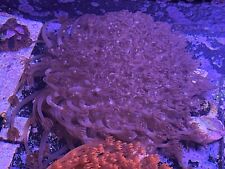
Pink Goniapora long polyps LPS Very Large
$500.00
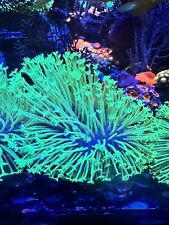
4” Capsize Japanese Neon Weeping Willow Long Polyp Toadstool Soft Coral WYSWYG
$399.99
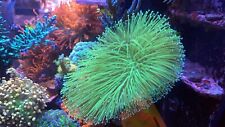
Japanese Deep Water Neon Weeping Willow Toadstool Leather Soft Coral WYSWYG
$399.99
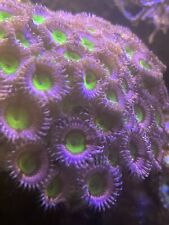
Pink Hippo / Chuckies Bride Zoa Frag 3+ Polyp And Small Colony Of 30+
$280.00
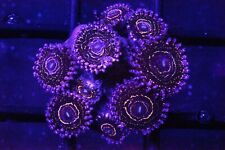
Stratosphere zoa single polyp Wysiwyg live coral frag
$250.00

Ultimate Coral Pack 10 Frags Easy, Polyps, Leathers, Zoanthids, Beginner, start
$220.00
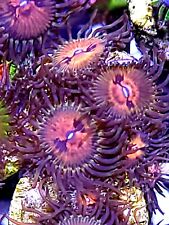
DEXTERS DATE ZOA PALYS ZOANTHIDS STARTER COLONY LIVE CORALS LARGE POLYPS RARE
$200.00
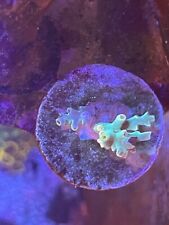
$199.99