Exotic Animals Bill Not Passed by Congressional Panel
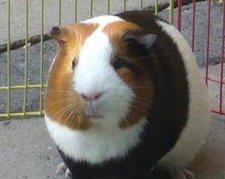
House Resolution 669, known as the Nonnative Wildlife Invasion Prevention Act, aims to prevent damage to the environment and native species by invasive nonnative species. However, opponents say that while this aim has merit, the bill will make trade in many domestic pets illegal. The proposed legislation would have required the U.S. Fish & Wildlife Service to create lists of approved and non-approved species of nonnative wildlife based on risk assessments of the species’ potential likelihood to "cause economic or environmental harm or harm to another animal species’ health or human health". Currently, species are banned under the Lacey Act only when they’re determined to be an actual threat. Most pet birds, reptiles, fish and several mammals, including hamsters, gerbils, guinea-pigs and ferrets would have been affected by the bill.
In the first step of congressional proceedings, the Subcommittee on Insular Affairs, Oceans and Wildlife, chaired by Rep. Madeleine Bordallo, met to hear the bill last Thursday (23rd April) and decide if the bill should be moved forward into general debate. Chief Executive Officer and General Counsel for the Pet Industry Joint Advisory Council (PIJAC) Marshall Meyers testified before the Congressional Subcommittee as a representative of pet owners and the pet industry.
"We support the development of a strategic, risk-based process to prevent the introduction of invasive species (harmful nonnative species) into the United States. However, the current draft of H.R. 669 fails to be strategic in that it does not adequately take socio-economic issues and risk management options into account and would require funds and staffing not currently available, nor likely to be available, to the US Fish and Wildlife Service," said Meyers in a written testimony.
To the delight of opponents, the bill was not voted on or passed on in it’s current form. Instead it was officially acknowledge that the bull requires to be modified. Meyers said that PIJAC was willing to work with the authors of the bill to create effective, yet more realistic, legislation. Chairwoman Madeleine Bordallo added, "We recognize the bill is by no means perfect and that changes will be needed to address various concerns before any legislation moves forward."