
Pinto horses Breed Profile
Origins: Since Pintos come from many different breeds, their origin is variable. It is claimed that when Cortes came to America in the 1500's, he brought with him two Overo type horses. The term Pinto is derived from the Spanish word for painted: Pintado. Used as a warhorse by American Indians since the coloring provided camouflage.?
Characteristics: The Pinto horse is a color breed in contrast to most other breeds which are defined by their genetic ancestry. In America, the Pinto is regarded as a proper breed. The Pinto does not have consistent conformation since it is bred for color. Pintos may be from a variety of breeds, ranging from Thoroughbred to Miniatures. There are four acknowledged types of conformation however: the Saddle type, Stock type, Hunter type and Racing type.?
Height: 12 - 14 hands. Pintos standing between 12 and 14 hands are registered as ponies; those between 14.1 and 16 hands are registered as horses.
Color: Pintos have a dark background coloring and upon this color random patches of white. The Pinto coloration may occur in any breed or specific conformation. However, the Pinto Horse Association of America does not accept horses with Appaloosa or Draft breeding or characteristics. There are two color patterns acceptable for registration, "Overo" and "Tobiano".? Overo is a type created by the recessive color gene and the solid (darker) color predominates Tobiano is a type created by the dominant color gene and white is the more predominant color with markings of colors other than white.
Personality: Varies immensely due to breeding

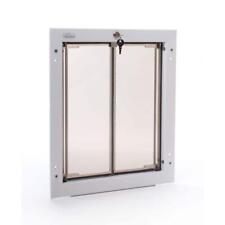
Plexidor Performance Pet Doors Wall Mount Dog Door 16.5" Lockable Flap/Panel
$974.93
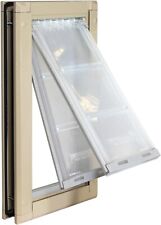
Endura Extra Large Dual Flap Insulated All-Weather Door Mount Dog Door -XL- Tan
$699.99
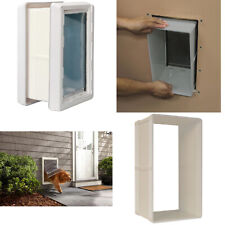
Dog Door Wall Mounted Ruff Weather Frame Dual Lockable Flaps w/ Kit ALL SIZES
$687.53
(New, Open Box) Endura Flap Double Door XL Pet Door for Walls (Reg $909.99)
$650.00
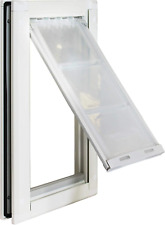
Single Flap Pet Door for Doors | All-Weather Insulated Flap | Durable Aluminum F
$627.36
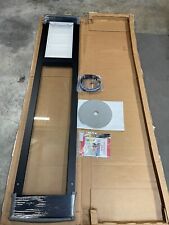
Endura Flap Pet Door Thermo Panel 3e, XLarge (12"x23") - Height 77 1/4"-80 1/4"
$599.99
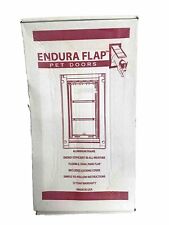
Endura Flap Pet Door for Doors - All-Weather Insulated - Black XL Double Flap
$599.00
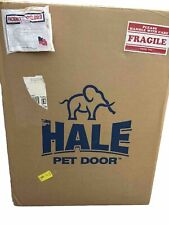
HALE Extra Large Double Flap Pet Door for Doors 14" X 19.5" New -Open Box
$550.00

High Tech Pet Pet Door 12" x 16" Electronic Lockable Flap/Panel Water-Resistant
$520.93
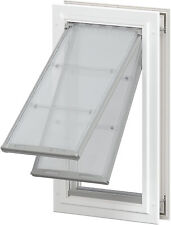
Endura Flap E2 Double Flap Pet Door for Door Installations Aluminum White Large
$500.00