Interpreting Your Dog’s Body Language
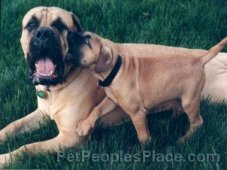
The most important part of your dog’s body language to understand is whether it is acting submissively or dominantly to you and your family. Of course, it should act submissively – it should know that you are the leader and that is it simply a pack member – and dogs acting dominantly could be uncontrollable or even dangerous.
When Your Dog is Happy
We all identify with a wagging tail. However, there are other ways to know that your dog is content. Bright eyes are a sign of contentment, as are relaxed lips.
Playful Behavior
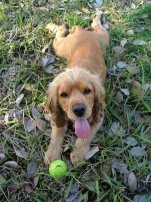
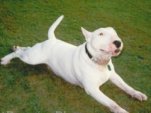
A dog who wants to play will often adopt submissive behavior to act like a puppy. The paws will be stretched out on front with the bottom held high. This posture will be well known to dog owners and is often termed the ‘play bow’
Frightened or Highly Submissive Behavior
The frightened dog will appear to make itself as small as possible. This is so that the aggressor will think the dog is already beaten and does not offer a threat. Frightened dogs may seem to act like a puppy by crouching and cowering, and this is because instinctively dogs do not like to attack young dogs.
Frightened dogs may also flatten its ears away from danger and put its tail between its legs. This also covers the scent glands, masking its identity. The dog may also roll onto its back to demonstrate that it is not capable of threatening behavior. The eyes of a frightened dog will be wide enough to show the white and will have dilated pupils. Submissive behavior includes actions that a young dog may use to seek attention from its mother, such as licking your face and jumping or reaching up to you.
Dominant or Confident Behavior
If a fight resulted from every meeting of two confident dogs, then many pack members would risk injury, therefore risking the health of the entire family. Instead, dogs will try to demonstrate their superiority by other means. Aggressive dogs will approach confidently with the head held high and the hair on the spine erect so as to make him appear larger.
His ears will point forward and the tail will be pointing up. This is the opposite of the submissive dog in that the confident dog is not concerned about being injured in a fight and not afraid to let its identity known. If the other dog does not act submissively, then the approaching dog will now attempt to scare the other dog into submission. Snarling, wrinkling of the nose and teeth-baring display to the other dog what harm could be done if provoked. If the dog does launch into a fight, its ears will be drawn in at the last minute to prevent injury.
Confusing Body Language
When dogs misunderstand each other, trouble can occur. The breeds who most distinctly look like wolves are those with the clearest body language (such German Shepherd Dogs). Those with peculiar anatomical features are most far-removed from the wolverine shape and so may be misunderstood. For example, spaniels have floppy ears which don’t erect when acting confidently.
Other dogs can’t display their teeth because of the hair on their face. Dogs with very long hair can not raise their hackles and dogs like the pug can not raise, wag or lower their tails. Black dogs may appear featureless to the eyes of other dogs and so subtle facial expressions are not understood.